
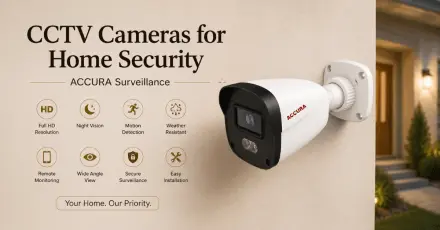
Home security in India has evolved from simple locks and watchmen to layered systems that combine physical barriers with constant visual monitoring. CCTV cameras for home security form the eyes of that system. They deter potential intruders, record evidence when incidents occur, and give families real-time visibility of their property whether they are inside the house or away. When installed thoughtfully and paired with strong physical security such as lockers and door locks, CCTV becomes one of the most effective and affordable upgrades a household can make.
Modern CCTV cameras for home security are far more capable than the basic analogue systems of the past. High-resolution imaging, night vision, motion detection, remote mobile viewing and cloud or local storage options have made professional-grade surveillance accessible for ordinary homes and apartments. The goal is not simply to have cameras, but to create reliable coverage of entry points, vulnerable areas and valuable zones inside the property.
Why CCTV Cameras Are Essential for Indian Homes Today
Urban and semi-urban homes face a mix of risks: opportunistic theft, package pilferage, unauthorised entry by strangers, and occasional more organised break-ins. Many incidents occur when the house is empty or during late-night hours. A visible camera system acts as a strong deterrent — most intruders prefer targets without surveillance. When an incident does occur, clear recorded footage becomes critical evidence for police and insurance claims.
CCTV also serves everyday practical purposes. Parents can check on children or elderly family members. Homeowners can verify delivery of packages. Those who travel frequently gain peace of mind by viewing live feeds from their phones. In apartments and gated communities, cameras covering the main door, balcony and parking areas add an extra layer of accountability.
Key Capabilities of Effective Home CCTV Systems
When selecting CCTV cameras for home security, focus on these practical features:
- Resolution: 1080p (Full HD) is the practical minimum for identifying faces and number plates. Higher resolutions (2K or 4K) provide more detail, especially when digital zoom is used later.
- Night vision: Infrared (IR) night vision allows clear black-and-white recording in complete darkness. The effective range should cover the area you need to monitor.
- Field of view and placement flexibility: Wide-angle lenses reduce the number of cameras required. Both indoor and outdoor-rated cameras are usually needed for complete coverage.
- Motion detection and alerts: Cameras that send push notifications to a phone when movement is detected help owners respond quickly. Adjustable sensitivity reduces false alarms from pets or passing vehicles.
- Remote viewing: Secure mobile-app access lets you watch live or recorded footage from anywhere with an internet connection.
- Storage options: Local storage on a digital video recorder (DVR) or network video recorder (NVR) keeps data under your control. Some systems also offer optional cloud backup.
- Weather and vandal resistance: Outdoor cameras should have appropriate IP ratings for dust and water protection and, ideally, some resistance to tampering.
- Power and connectivity: Wired systems are generally more reliable; wireless options offer easier installation but require strong Wi-Fi and careful security settings.
A well-planned system usually combines a few strategically placed cameras rather than trying to cover every corner. Priority areas are the main entrance, rear or side doors, ground-floor windows, balcony or terrace access points, and any parking or gate area.
Planning Coverage for Maximum Effectiveness
Start by walking around the property and noting all possible entry points and high-value zones. Inside the home, cameras are often placed to cover the main living area, staircase, or the approach to bedrooms and the location of a home locker. Outside, focus on approaches rather than attempting to monitor distant public roads.
Height and angle matter. Cameras mounted too low can be easily disabled; mounted too high they may lose facial detail. A height of roughly 2.5–3 metres is a common practical range for residential use, angled slightly downward. Avoid pointing cameras directly at strong light sources that can cause glare.
For apartments, focus on the main door, any service entrance, and the balcony or window that could allow access. In independent houses, add coverage of the gate, driveway and rear boundary if possible. Always respect privacy laws and avoid pointing cameras into neighbouring properties.
Integration with Other Home Security Measures
CCTV cameras for home security work best as part of a layered approach. A strong main-door lock, a properly bolted home locker for jewellery and documents, and good boundary lighting multiply the effectiveness of the cameras. Visible cameras deter; physical barriers delay; the locker protects the highest-value items even if someone gains entry. Many households find that combining these elements creates far stronger overall security than any single measure alone.
Remote viewing adds another dimension. If a motion alert is received while the family is out, the live feed can confirm whether the event is serious. Recorded footage provides a clear timeline for investigation.
Installation and Ongoing Use Tips
Professional installation is recommended for wired systems and for ensuring correct positioning, weatherproofing and secure cable routing. Wireless systems can be owner-installed but still benefit from careful planning of Wi-Fi coverage and camera angles. After installation, set strong passwords, enable two-factor authentication if available, and keep firmware updated.
Test night vision, motion alerts and remote access thoroughly. Establish a routine of occasionally reviewing footage so that any camera failure or obstruction is noticed quickly. Keep lenses clean and ensure outdoor units remain free of spider webs or dirt that can degrade image quality.
Common Mistakes to Avoid
Many homeowners install too few cameras or place them poorly, leaving obvious blind spots. Others choose very low-resolution units that cannot identify faces. Neglecting night vision leaves the system ineffective after dark. Using default passwords or failing to secure the network creates cybersecurity risks. Expecting cameras alone to stop determined intruders without supporting physical security is another frequent error. Planning coverage carefully and treating CCTV as one layer among several produces far better results.
Conclusion
CCTV cameras for home security provide continuous visual monitoring, strong deterrence and valuable evidence when incidents occur. High-resolution imaging, reliable night vision, motion alerts and remote viewing have made effective surveillance practical for ordinary Indian homes and apartments. When combined with solid physical measures such as quality door locks and a securely mounted home locker, cameras complete a balanced security system.
ACCURA CCTV cameras for home security are designed to deliver clear, dependable monitoring suited to Indian residential needs. ACCURA systems emphasise practical resolution, effective night vision, straightforward remote viewing and reliable performance for both indoor and outdoor use. When paired with ACCURA home lockers and related security products, they form part of a cohesive approach that protects entry points, living spaces and high-value storage areas. Supported by clear guidance and service backup, ACCURA helps families achieve real, everyday visibility and deterrence without unnecessary complexity.
FAQs
Q: How many CCTV cameras does a typical home need? A: Most apartments can be covered effectively with 2–4 cameras focused on the main door, balcony and key internal approaches. Independent houses often need 4–8 cameras depending on the number of entry points and outdoor areas.
Q: Is night vision necessary? A: Yes. Many incidents occur after dark. Reliable infrared night vision is essential for continuous protection.
Q: Can I view CCTV cameras for home security on my phone? A: Most modern systems offer secure mobile-app access for live viewing and playback of recorded footage from anywhere with an internet connection.
Q: Should CCTV be used alone or with other security measures? A: CCTV works best as part of a layered system that also includes strong door locks, proper lighting and a securely mounted home locker for valuables.
Q: Wired or wireless — which is better for home use? A: Wired systems are generally more stable and secure. Wireless systems offer easier installation but require strong Wi-Fi and careful network security.