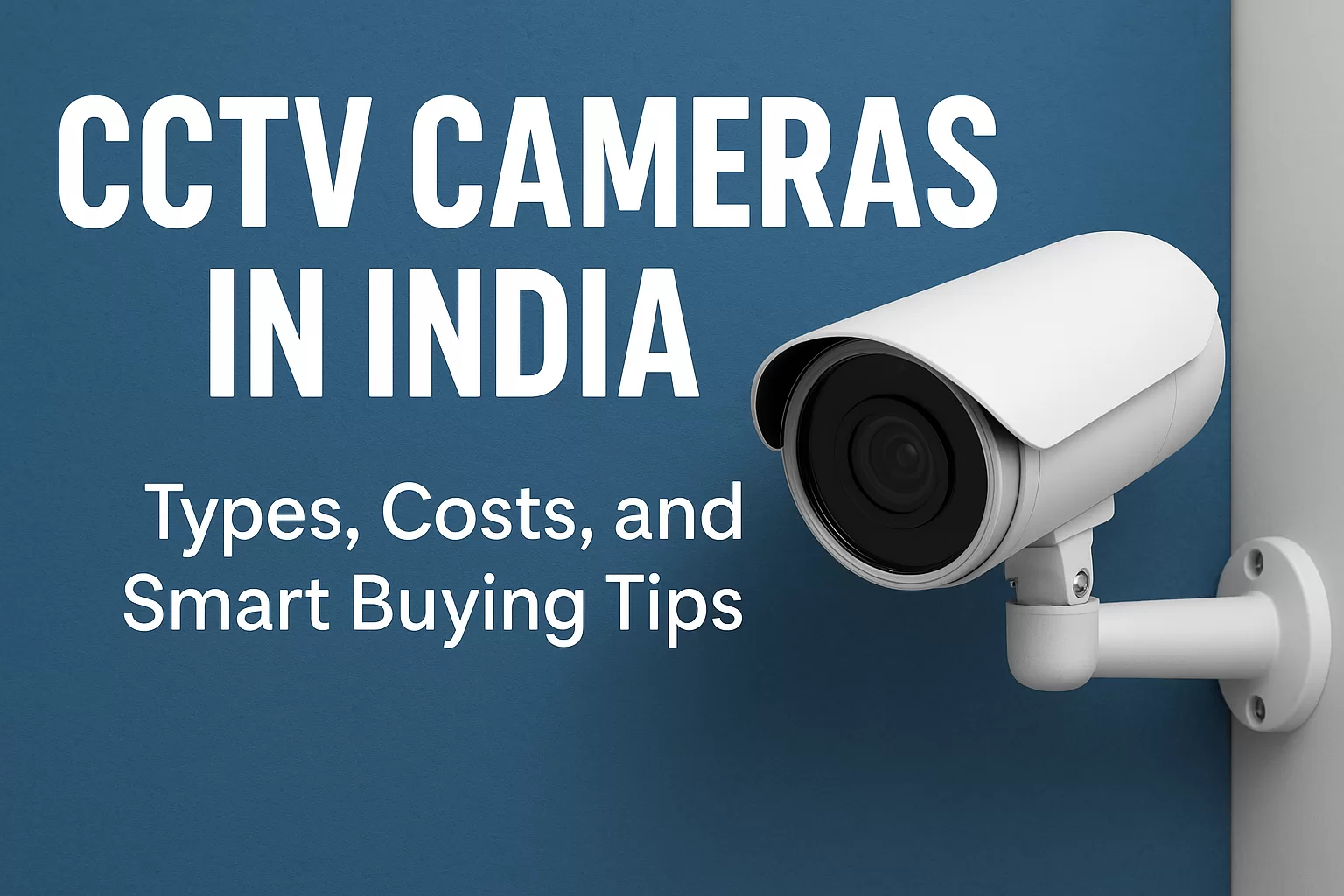
If you landed here you probably typed one of these into Google: best CCTV camera, IP vs analog CCTV, CCTV installation cost near me, or CCTV laws in India. Good news. I wrote this guide to answer those exact searches. I kept the tone simple and friendly. I used clear headings so the generative engines and human readers both find what they want fast.
Quick overview — what this article answers
First, you will learn the main types of CCTV cameras. Next, you will see how to pick features that actually matter. Then, I break down costs you can expect in India. Finally, I cover privacy and legal must-knows.
What are the main types of CCTV cameras?
You will find two broad families. One is analog. The other is IP or network cameras.
Analog cameras send video over coax cable to a DVR. They work well for basic surveillance. They cost less up front. However, they usually offer lower resolution. On the other hand IP cameras send digital video over your network. They deliver higher resolution and smarter features. For most new installs IP systems give better image clarity and remote access. Popular camera forms
- Bullet cameras. Good for long range outdoor view.
- Dome cameras. Blend in and resist tampering.
- Turret and mini-domes. Compact. Good indoors.
- PTZ cameras. Pan. Tilt. Zoom on command. Great for big outdoor areas.
- Battery and solar models. Newer models can record 24/7 without a mains outlet. These suit remote spots. The Verge
Key features to look for
When you search you will often see terms like 4K, night vision, motion detection, PoE, and cloud storage. Here is what each means and why it matters.
- Resolution (2MP, 4MP, 6MP, 4K). Higher resolution gives clearer faces and license plates. If identification matters pick at least 4MP.
- Night vision and color night view. Infrared helps in total darkness. Some cameras use white LEDs for full color at night. This helps identify clothing and colors. Trueview
- Motion detection and smart alerts. These reduce false alarms. Modern IP cameras also offer human detection so you get fewer pointless notifications.
- PoE (Power over Ethernet). PoE lets a single cable carry power and data. This simplifies installation. Many IP cameras support PoE which saves time and cost. Black Box
- Local vs cloud storage. DVR/NVR and SD cards store footage locally. Cloud gives offsite backup but may add monthly fees. Balance cost and reliability when you decide.
How much does CCTV installation cost in India?
People search for price ranges. Here is a practical estimate.
- Camera price. Budget cameras start from a few thousand rupees. Higher end IP cameras go up to ₹15,000–₹40,000 or more depending on features.
- DVR/NVR cost. DVRs for analog systems are cheaper. NVRs for IP systems cost more.
- Installation charges. Professional setup can range from about ₹500 to ₹2,000 per camera. Wiring and accessories add per-meter costs. Overall small home setups often fall in ₹25,000 to ₹80,000. Larger commercial systems cost more. These are typical ranges reported in 2025.
To save money think about hybrid systems. You can mix analog cameras with a few high-resolution IP cameras for critical angles.
Should you choose IP or analog?
Simply put, choose based on three things: budget, growth plans, and the need for advanced features.
- If you want low cost and a simple system pick analog.
- If you want crisp images, remote access, and AI features pick IP.
- If you plan to scale later pick IP. It grows more easily. Pelco+1
Installation tips that save headaches
- Plan camera locations first. Start from the most vulnerable spots. Then test angles.
- Use PoE when possible. It cuts cabling work.
- Avoid aiming cameras at private windows. Respect privacy.
- Secure your network. Change default passwords. Use VLANs or separate networks for cameras.
- Set a clear retention policy. Keep footage only as long as needed. Encrypt access. These steps help you stay secure and compliant. spab.ac.in
Legal and privacy basics in India
CCTV is legal in India. However you must not invade private spaces. Courts have said that shared residential areas require consent from occupants. Also inform people when they enter monitored zones. In short, use cameras to protect property and people. Do not use them to spy. Check local rules in your city and document who can access footage. lawrato.com
New trends to watch in 2025
- Battery plus solar camera systems that can record continuously without mains power. This opens new use cases for farms and rural sites. The Verge
- On-device AI. Cameras analyze video at the edge. This reduces bandwidth and improves privacy.
- Better cloud options. Providers now allow hybrid storage so you keep short term local clips and archive key events in the cloud.
FAQs — quick answers people search for
Q: Can I view CCTV footage on my phone?
A: Yes. Most IP cameras let you view live and recorded video on a phone app.
Q: How long should I keep CCTV footage?
A: Keep footage only as long as you legally need it. For homes 15–30 days is common. For businesses retention depends on policy and law. Always encrypt and control access.
Q: Do cloud cameras need internet 24/7?
A: Yes. If you rely on cloud storage the camera needs internet to upload footage. For local-only setups internet is optional.
Q: Are wireless cameras reliable?
A: Many are. However Wi-Fi gets interrupted. For critical spots prefer PoE or battery plus local storage as backup.
Final advice — how to pick the right system
First, list what you want to monitor. Next, decide on image quality and storage method. Then set a budget for hardware and installation. Finally, confirm legal and privacy rules for your area. If you follow these steps you will get a system that keeps you safe without surprises.

Accura Tijori Manual Home Locker Jumbo 09