
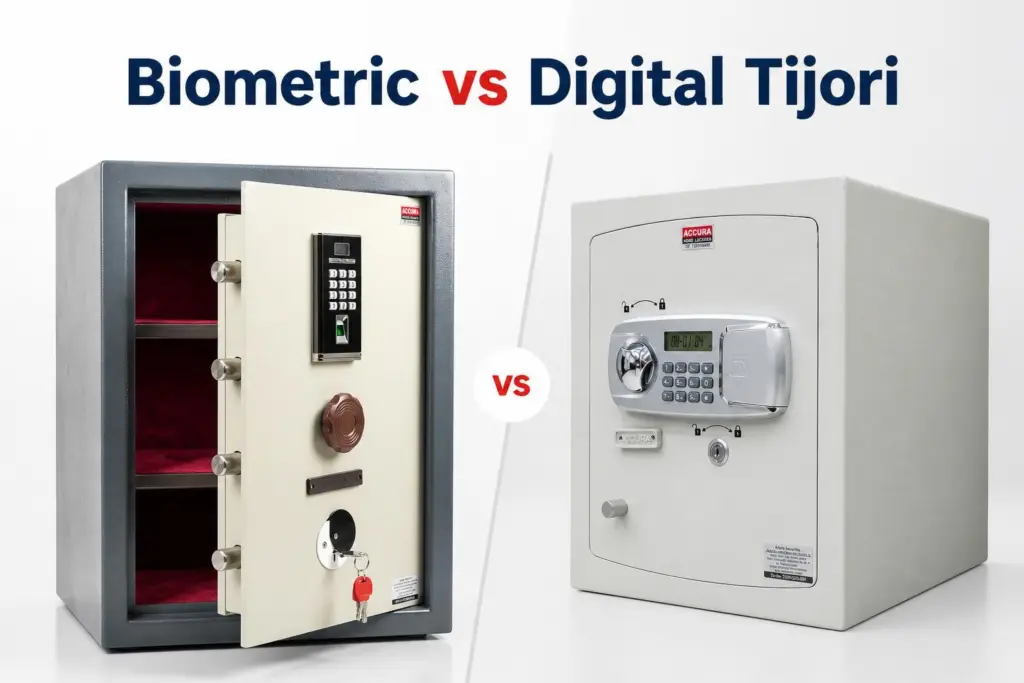
Not sure whether to choose a fingerprint biometric tijori or a digital PIN locker? Compare both options side-by-side and find the right home safety locker for your needs.
Biometric lockers use fingerprint recognition for keyless access, while digital tijoris rely on a programmable PIN keypad. Both offer strong steel construction and emergency-key override. The right choice depends on convenience, number of users, and how often you need to open the locker.
Our Products
Starting prices for our most popular biometric and digital locker models
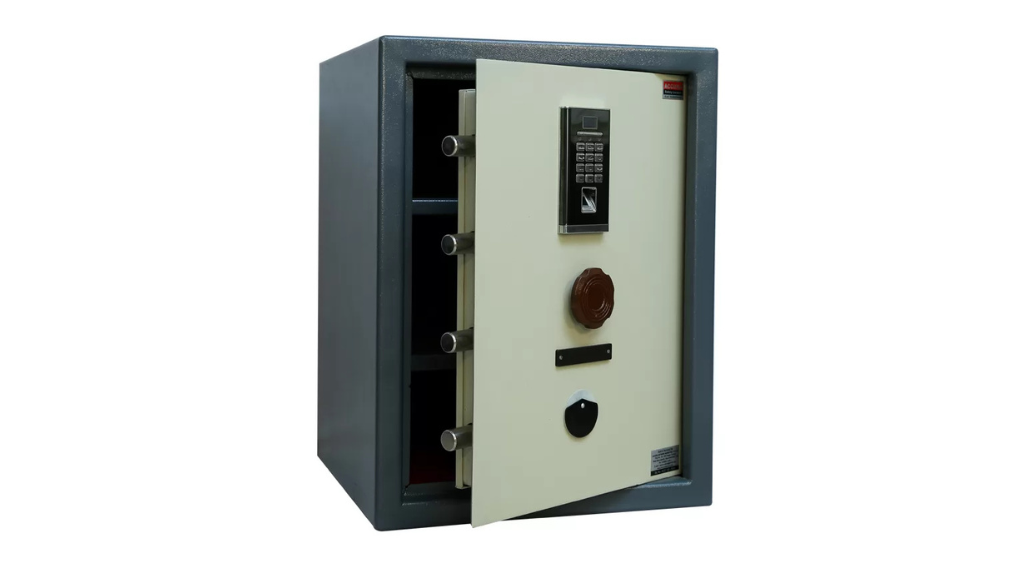
Compact Home Locker
₹12,999
Enquire Now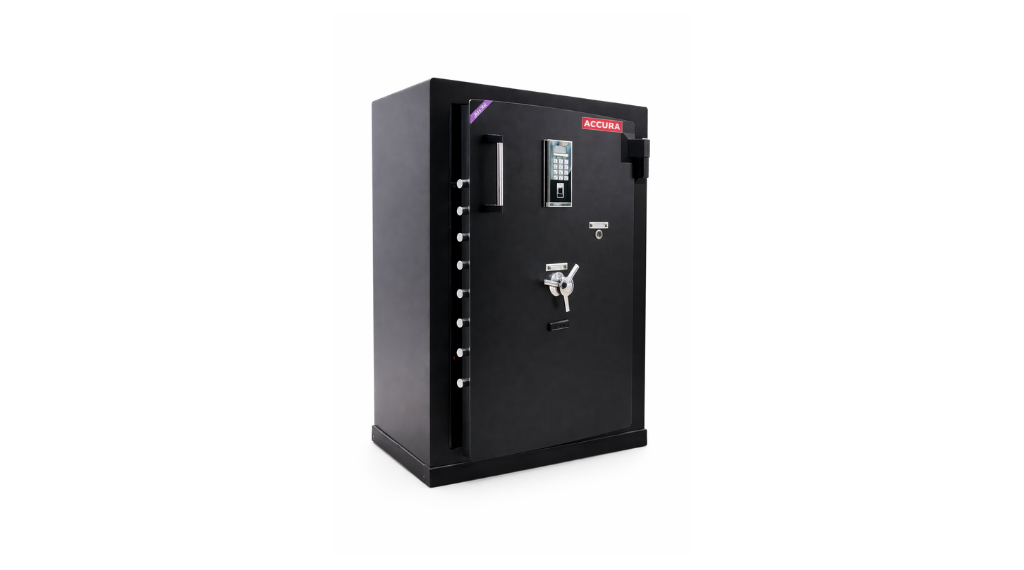
Commercial Safe 40L
₹19,999
Enquire Now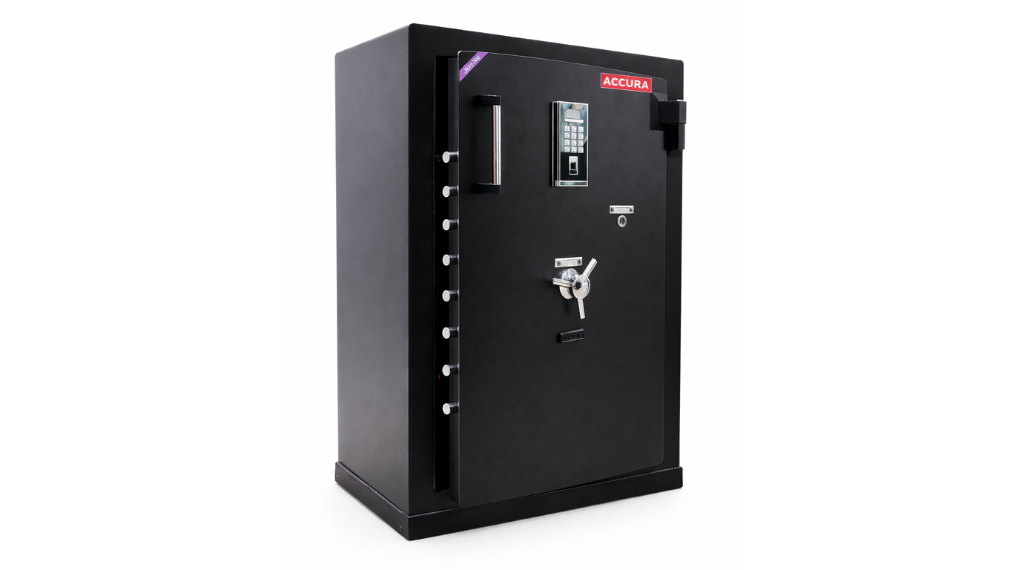
Multi-Bay Gym Locker
₹42,500
Enquire Now
Bank Deposit Locker
₹68,000
Enquire Now
Evidence Storage Locker
₹35,200
Enquire Now
Smart Charging Locker
₹28,900
Enquire NowBiometric vs Digital Tijori – Which Should You Buy?
Choosing between a biometric (fingerprint) tijori and a digital PIN locker is one of the most common decisions Indian home buyers face in 2026. Both protect cash, jewellery and documents far better than traditional key lockers, but they work differently and suit different lifestyles.
How Each Type Works
Digital PIN Tijori: You set a 4–8 digit code on the keypad. Enter the correct PIN and the motorised bolts open. Most units also include a mechanical emergency key. Codes can be changed anytime and shared with family members.
Biometric Fingerprint Tijori: You register 20–30 fingerprints. Place a registered finger on the sensor and the locker opens in under a second. No code to remember or share. A mechanical key or backup PIN is still provided in case the sensor fails.
Key Differences at a Glance
- Speed & Convenience: Biometric is faster for daily use — no typing required. Digital needs you to enter the PIN every time.
- Multi-user Access: Digital is easier to share (just give the code). Biometric is more private but you must register every user’s fingerprint.
- Security: Both are strong. Biometric cannot be “guessed” or shared accidentally. Digital can be compromised if the PIN is written down or overheard.
- Reliability: Digital works even with wet or dirty hands. Biometric sensors can occasionally struggle with moisture, cuts or very dry skin — that is why every good unit has a backup key.
- Price: Digital models are generally more affordable. Biometric lockers cost a little more because of the fingerprint sensor.
Which One Should You Choose?
Choose a Digital PIN tijori if you want lower cost, easy sharing with family, or if multiple people need occasional access without registering fingerprints.
Choose a Biometric fingerprint tijori if you want maximum convenience for daily use, prefer not to remember codes, and mainly one or two people will open the locker regularly.
What to Check Before Buying Either Type
- Steel body thickness and powder-coated finish
- Motorised multi-point bolts
- Mechanical emergency key override
- Wall or floor mounting points
- 1–3 year warranty with local service support
Features
Still deciding between biometric & digital?
Tell us your use case and budget — our team will recommend the right tijori for you.