
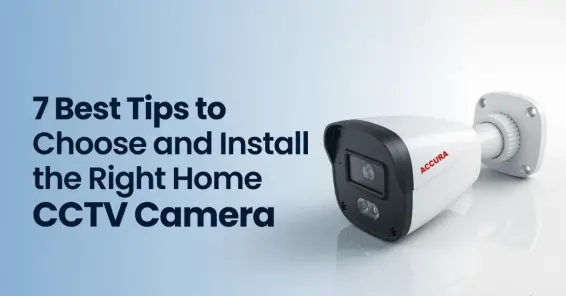
A home CCTV camera gives peace of mind, but only when it is chosen and placed correctly. Many people buy a camera, install it quickly, and later discover poor night vision, constant false alerts, or blind spots. A little planning makes a big difference between a useful system and an expensive decoration.
Here are seven practical tips that help homeowners get real value from their home CCTV camera.
1. Cover the Most Important Entry Points First Start with the main door, back door, garage, and any ground-floor windows that are easy to access. These are the highest-risk areas. Adding more cameras later is easier once the critical points are secured.
2. Prioritise Real Night Vision Performance Most incidents happen in low light. Check how the camera performs in actual darkness, not just the claimed infrared range. Some cameras offer colour night vision with built-in lights, which can be useful in certain locations.
3. Choose Weather-Resistant Outdoor Models Even for Covered Areas Humidity, dust, and temperature changes affect cameras. Models with good IP ratings (IP66 or higher) last longer and stay clearer.
4. Decide Between Wired and Wireless Based on Your Situation Wired systems are generally more stable. Wireless cameras are easier to install but depend on strong Wi-Fi. Hybrid approaches also work well in many homes.
5. Look for Useful Motion Detection and Mobile Alerts Smart detection that reduces false alarms (from trees, pets, or passing vehicles) saves a lot of frustration. Reliable mobile notifications help you respond quickly when something actually needs attention.
6. Plan Storage Carefully Local NVR/DVR storage gives more control. Cloud storage offers convenience but may involve ongoing fees. Many people use a combination. Make sure you have enough days of recording for your needs.
7. Install Cameras Out of Easy Reach Cameras placed too low can be tampered with or covered. Higher placement with a clear view of the area usually works better and lasts longer.
These tips focus on real-world performance rather than just specifications. A high-resolution camera with weak night vision or constant false alerts creates more annoyance than security. Matching the camera to your home layout, lighting conditions, and daily habits produces better results.
A well-planned home CCTV camera system works quietly in the background. It deters potential problems, gives you visibility when you need it, and provides clear evidence if something goes wrong. Take time on placement and feature selection, and the system will serve you reliably for years.
FAQs
Q1. Where should I install home CCTV cameras first? A: Start with the main door, back door, garage, and ground-floor windows — these are the highest-risk entry points.
Q2. Is wireless or wired better for home CCTV cameras? A: Wired systems are generally more stable and reliable. Wireless cameras are easier to install but need strong Wi-Fi. Many homes use a mix of both.
Q3. How important is night vision in a home CCTV camera? A: Very important. Most security incidents happen in low light, so good night vision (infrared or colour) is essential for clear footage.
Q4. How many cameras do I need for a medium-sized house? A: Usually 4 to 6 well-placed cameras are enough if they properly cover all main entry points and critical areas.
Q5. Should I choose cloud storage or local storage for home CCTV? A: Local storage (NVR/DVR) gives more control and no monthly fees. Cloud storage is convenient for remote access. Many people use both.