
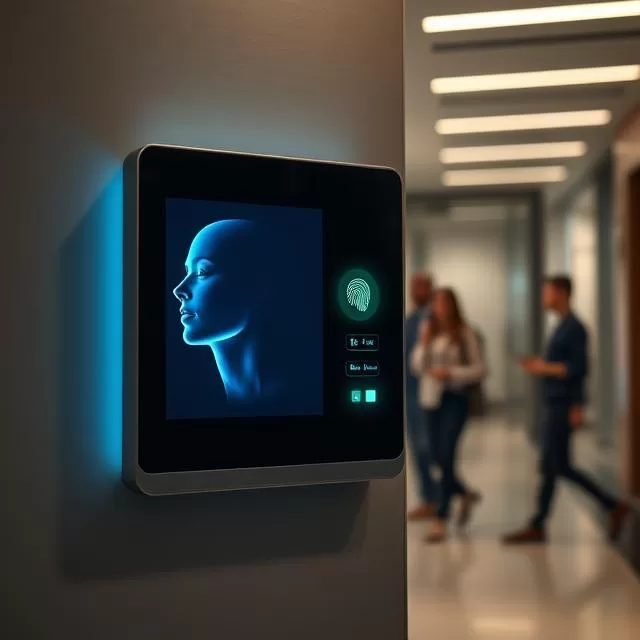
Security and efficiency are critical in today’s workplace. The use of biometric attendance devices is growing, while conventional attendance techniques are becoming outdated. But what if you could have the best of both worlds? The dependability of fingerprint scanning and the quickness and cleanliness of facial recognition?
Greetings from the hybrid biometric attendance machine era. These gadgets give an unmatched level of precision, versatility, and security by combining many biometric modalities, most frequently fingerprint and facial recognition. A hybrid solution is probably your best option if you want to update your attendance system in 2025, particularly in a multicultural setting like India.
Why Go Hybrid (Face & Fingerprint)? The Ultimate Advantage

A hybrid system provides an alluring combination of advantages:
- Maximum Flexibility: A single biometric approach may not be preferred or feasible for every employee. For hygienic reasons, some people may prefer contactless access, while others, like manual labourers, may have worn fingerprints. A hybrid approach accommodates everyone by letting workers select the way they like to use to clock in and out.
- Enhanced Security & Accuracy: A hybrid approach greatly lowers the possibility of fraudulent attempts or “buddy punching” by integrating two different biometric IDs. The other technique can serve as a dependable fallback if one fails (for example, a wet finger for fingerprint recognition or inadequate lighting for face recognition), guaranteeing high accuracy and avoiding false rejections.
- Contactless & Hygienic Options: Facial recognition provides a totally touchless experience, which is becoming more and more crucial for workplace health and safety. This is especially helpful in places with a lot of traffic or where cleanliness is important.
- Future-Proof: Technology is changing quickly. Purchasing a multi-biometric system gives your company a more resilient and flexible solution and positions it for future shifts in rules or consumer preferences.
- Better User Experience: Giving people choices allows them to select the approach that suits them best, which can increase employee satisfaction and adoption rates.
- Robust Data capturing: By using a variety of capturing techniques, the system collects more thorough and trustworthy data, which improves understanding of attendance trends and facilitates payroll processing.
Key Features to Prioritize in a Hybrid Biometric Attendance Machine
Consider these important factors while choosing a hybrid attendance machine in India that can recognize both faces and fingerprints:
1. Dual Biometric Technology:
- High-Resolution Facial Recognition: Seek out gadgets with sophisticated algorithms that can swiftly and precisely identify faces despite differences, such as spectacles, beards, or various lighting situations. Even faces wearing masks can be recognized by some sophisticated systems.
- Sturdy Fingerprint Sensor: Choose optical or capacitive sensors that are renowned for their longevity and capacity to read different fingerprint characteristics, such as rough, wet, or dry.
- Speed of Recognition: To avoid lines, particularly during peak hours, all modalities should have quick recognition speeds (preferably less than one second).
2. Capacity:
- User Capacity: Ensure the machine can store enough face templates and fingerprint templates for your current and future workforce. Machines typically range from 500 to 5,000+ face templates and 1,000 to 10,000+ fingerprint templates.
- Log Capacity: The device should have sufficient storage for attendance records (e.g., 100,000 to 200,000+ logs) to avoid frequent data downloads.
3. Connectivity and Software Integration:
- Cloud Connectivity (Wi-Fi/LAN): This is paramount. A cloud-connected device allows for real-time data synchronization, remote management, and seamless integration with HR, payroll, and leave management software (e.g., Keka, GreytHR, Zoho People, factoHR). This eliminates manual data transfer and ensures accuracy.
- USB Port: Useful for initial setup, firmware updates, or offline data backup if cloud connectivity is temporarily unavailable.
- Mobile App Support: A dedicated mobile application for employees to view their attendance, apply for leave, or even clock in/out remotely (with GPS fencing and selfie verification) adds immense value.
4. Display and User Interface:
- Clear Display: A vibrant LCD or touchscreen display for easy navigation and showing clock-in/out confirmation.
- Intuitive UI: The interface on the device and accompanying software should be user-friendly for both employees and administrators, minimizing training time.
5. Data Security and Privacy:
- Encryption: Biometric data is highly sensitive. Ensure the system uses strong encryption protocols to protect data during storage and transmission.
- Compliance: Verify that the vendor and the system comply with data privacy regulations relevant to your region (e.g., Indian IT Act, GDPR, if applicable for international operations).
6. Durability and Build Quality: The machine should be robust enough for its intended environment. Consider IP ratings for dust and water resistance if it’s for industrial settings.
7. Advanced Features:
- Access Control Integration: Many hybrid attendance machines also offer integrated access control features, allowing you to manage door locks based on biometric authentication.
- Battery Backup: Essential in India for uninterrupted operation during power cuts.
- Multi-Lingual Support: Beneficial for a diverse workforce. Aadhaar Integration (for specific government/public sector use cases): While less common for private businesses, some specialized devices offer this.
What to Look for in a Top-Tier Hybrid Biometric Attendance System (2025 Outlook)
Instead of focusing on specific brands, let’s consider the characteristics that define leading hybrid biometric attendance systems available in India in 2025:
- Robust Dual-Biometric Performance: The system should excel equally in both facial recognition and fingerprint scanning, offering rapid and highly accurate verification for both methods. It should ideally incorporate anti-spoofing technology to prevent fraudulent clock-ins. Seamless Cloud Integration: Modern top-tier systems are inherently cloud-ready. They offer real-time data synchronization, allowing for centralized management of attendance across multiple locations and immediate access to reports from anywhere.
- Comprehensive Software Suite: Beyond just attendance tracking, the accompanying software should be a complete workforce management solution. This includes advanced features for leave management, shift scheduling, overtime calculation, and robust reporting and analytics. Extensive HRMS/Payroll Compatibility: The “best” systems integrate effortlessly with a wide range of popular HR and payroll software used in India. This smooth data flow minimizes manual errors and significantly streamlines payroll processing.
- Scalability and Adaptability: Whether you’re a growing startup or a large enterprise, the system should be designed to scale with your organization’s needs, easily accommodating more employees and locations without requiring a complete overhaul.
- User-Centric Design: Both the hardware and software should be intuitive and easy to use for employees and administrators alike, reducing the learning curve and maximizing adoption. Look for features like employee self-service portals and mobile applications.
- Strong Security and Compliance Framework: Given the sensitive nature of biometric data, a top-tier system will prioritize data encryption, secure data storage, and strict adherence to data privacy regulations.
- Reliable Support and Updates: A long-term investment requires ongoing support, regular software updates, and reliable technical assistance from the vendor to ensure smooth operation and address any issues promptly.
Making Your Decision: The “Best” Hybrid Machine for You
To pinpoint the “best” hybrid biometric attendance machine for your business, follow these steps:
- Evaluate the environment and size of your workforce: How many workers are there? What kind of working conditions—dusty, clean, or busy—are typical? This will affect the necessary durability and capacity.
- Establish Your Budget: In general, hybrid machines cost more than single-modality ones. A realistic budget should be set, but long-term ROI in terms of fraud prevention and efficiency gains should also be taken into account.
- Set Priorities for Important Features: Which features—such as cloud integration, battery backup, or particular report formats—are essential to your business and cannot be compromised?
- Verify Software Compatibility: Make sure the selected device and its software work in unison with your current payroll and HR system.
- Vendor Reputation and Support: Make your purchase from a trustworthy Indian vendor that provides dependable installation, instruction, and continuing technical support.
- Examine reviews and request demos: Leverage online reviews from other Indian firms and, if possible, get a live demo of the equipment and its software to witness it in action.
- Think about Pilot Testing: Before a full-scale rollout, test the system with a small number of staff members to get their input, if at all possible.
By carefully considering these factors, and seeking out providers known for quality and service like Accura in Hyderabad, you can invest in a hybrid face and fingerprint biometric attendance machine that perfectly fits your organization’s needs, enhancing security, streamlining operations, and propelling your business into a more efficient future. Remember, the right solution will bring unmatched accuracy to your attendance records, a crucial element for efficient payroll and compliance.