
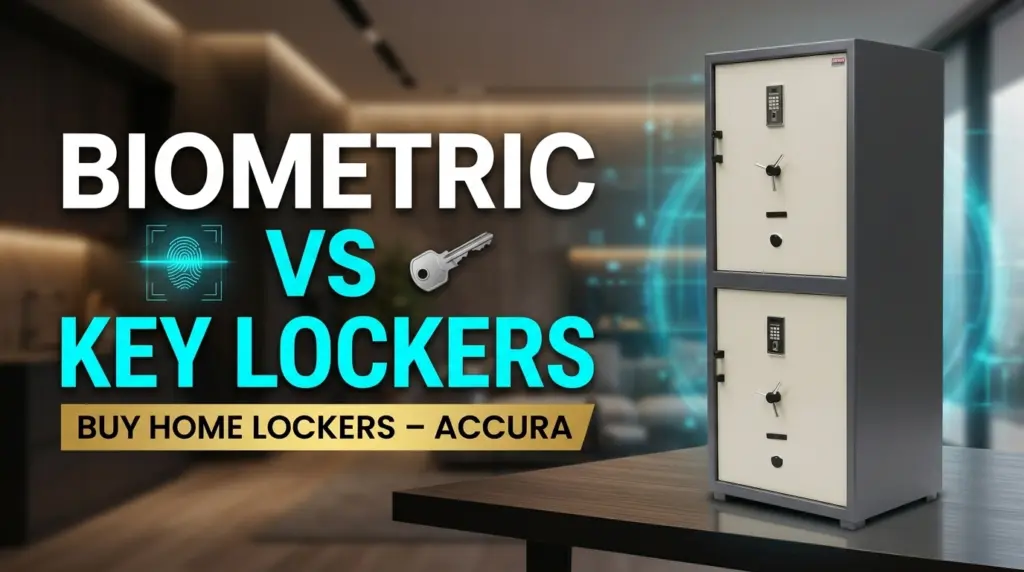
Biometric fingerprint lockers open in a second, support many users and remove the risk of lost or copied keys. Here is how they compare with traditional key lockers on security, speed and everyday convenience for Indian homes.
Traditional key lockers depend on a physical key that can be lost, copied or stolen. Biometric lockers replace that weak point with your fingerprint, while still keeping a mechanical emergency key as backup. The result is faster access, better control over who can open the locker and stronger protection for gold, cash and documents.
Our Products
Starting prices for popular biometric locker models
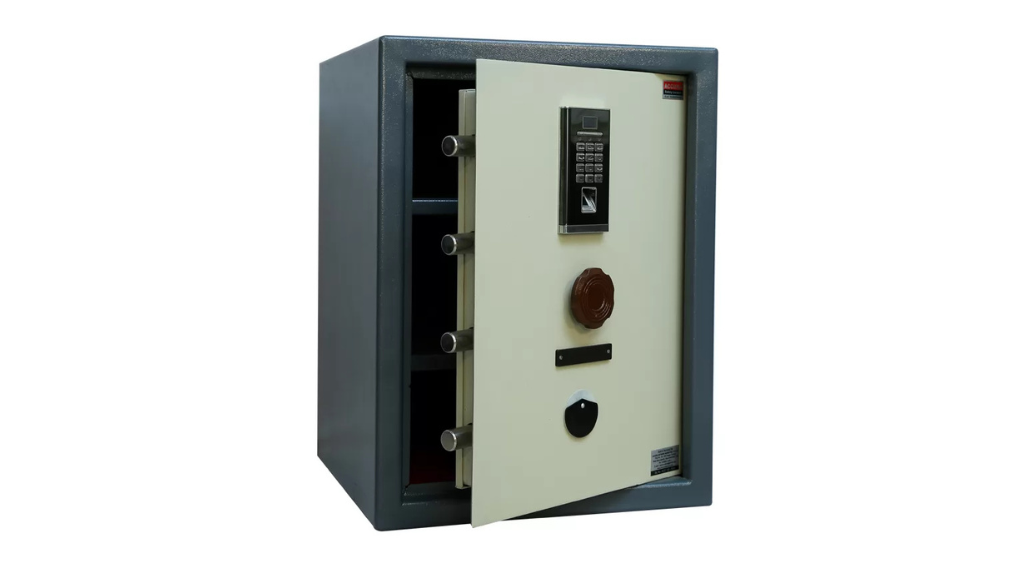
Compact Home Locker
₹12,999
Enquire Now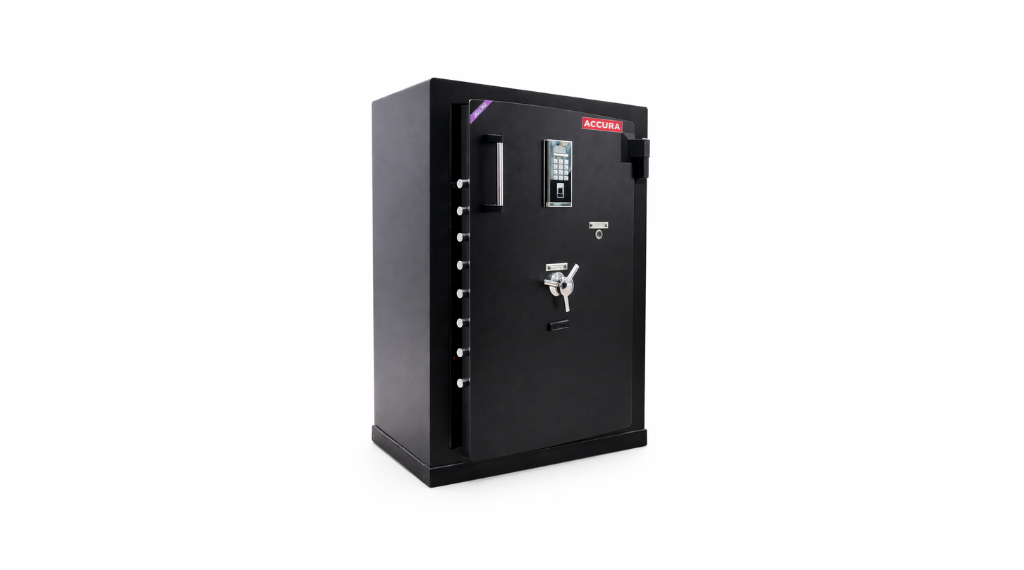
Commercial Safe 40L
₹19,999
Enquire Now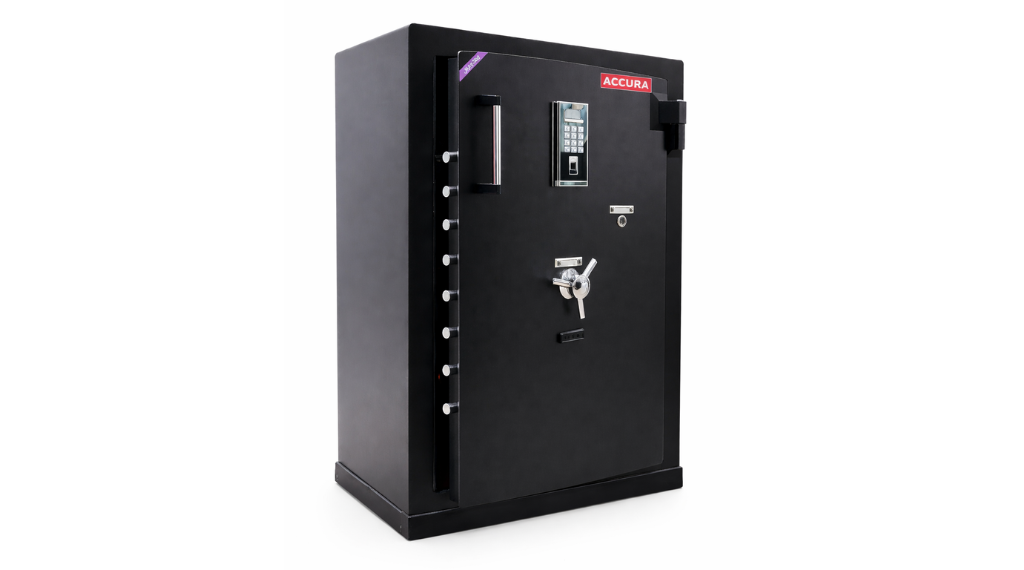
Multi-Bay Gym Locker
₹42,500
Enquire Now
Bank Deposit Locker
₹68,000
Enquire Now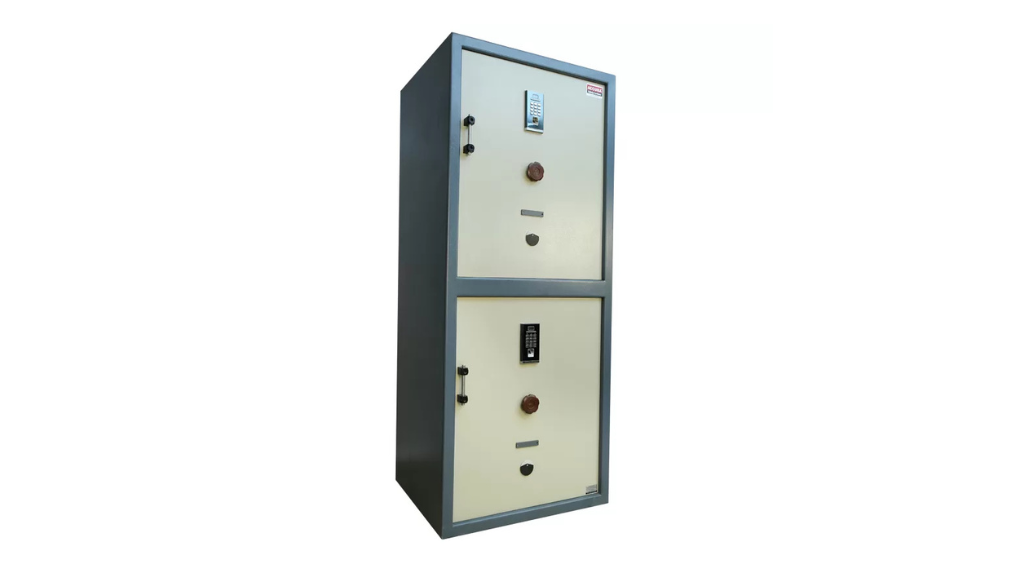
Evidence Storage Locker
₹35,200
Enquire Now
Smart Charging Locker
₹28,900
Enquire NowBiometric vs Traditional Key Lockers: Which Keeps Your Valuables Safer?
Every Indian household has something worth protecting: wedding jewellery, property papers, cash kept for emergencies. The locker you choose decides how well these are protected. For decades the traditional key locker was the only option. Today, biometric fingerprint lockers are changing that, and the difference goes well beyond a modern look. Let us compare the two on the things that matter most.
How Traditional Key Lockers Work
A traditional locker uses a mechanical lock opened by a physical key. The design is simple and does not need batteries. But the entire security of the locker rests on one small piece of metal. If the key is lost, you face a locksmith and possible damage to the locker. If it is duplicated or stolen, anyone holding it can open the locker without leaving a trace. Many families also hide the key in predictable places such as under clothes in a cupboard, which burglars know well.
How Biometric Lockers Work
A biometric locker reads your fingerprint through a sensor. When a registered finger is placed on it, the system matches the print and releases the motorised bolts, usually in under a second. Unregistered fingers are rejected. Good models store 20 to 30 fingerprints, so every trusted family member has personal access. A mechanical emergency key is always included as a backup, so you are never locked out if the battery runs low.
Security Comparison: Biometric vs Key
- Key Loss and Duplication: A key can be copied in minutes at any shop. A fingerprint cannot be handed over, copied casually or forgotten.
- Lock Picking: Basic key locks can be picked or bumped by experienced thieves. Biometric lockers with multi-point motorised bolts and anti-pick design are much harder to defeat.
- Access Control: With one key, everyone who holds it has the same access. Biometric lockers let you add or remove individual users without changing the lock.
- Accountability: Some biometric models keep an access audit trail, so you can see which user opened the locker and when. A key leaves no record.
- Tamper Protection: Many biometric lockers include alarms that sound after repeated wrong attempts or forced entry. Key lockers rarely offer this.
- Speed in Daily Use: Fingerprint access takes a second. Hunting for a key, especially in a hurry, takes far longer.
Where Traditional Key Lockers Still Make Sense
Key lockers are not useless. They are usually cheaper, work without any power and suit people who open the locker only a few times a year. For storing low-value items, or as a secondary locker, a sturdy key lock can be enough. The key point is that the key must be kept very carefully and never left in an obvious place.
Common Concerns About Biometric Lockers
What if the battery dies? Biometric lockers warn you with a low-battery signal well in advance, and the emergency key opens the locker at any time. Can a fingerprint be faked? Quality sensors are designed to reject poor copies, and a thief would still need to get through thick steel and motorised bolts. Will dry or damp fingers fail? Reliable sensors handle normal variation, and you can register the same finger more than once for better recognition.
Which Locker Should You Choose?
If you store jewellery, cash or documents that you cannot afford to lose, a biometric locker is the smarter investment. It removes the weakest link, the key, and gives you speed, multi-user access and better control. Look for thick steel, motorised multi-point locking, a fast sensor, an emergency key and fixing points to bolt the locker to a wall or floor. Place it in a dry, discreet spot such as inside a wardrobe, and keep the emergency key in a separate secure place.
If you choose a traditional locker, treat the key like the valuables inside it: keep spare copies to a minimum and never store them near the locker.
Features
Frequently Asked Questions
Is a biometric locker more secure than a key locker?
Yes, in most cases. A biometric locker cannot be opened with a copied or stolen key, supports individual user access and often includes tamper alarms and multi-point motorised bolts. A traditional key locker depends entirely on one physical key.
What happens if the biometric locker battery runs out?
The locker gives a low-battery warning before it fails. If the battery does die, you can open it with the mechanical emergency key supplied with the locker. Keep that key in a safe place away from the locker.
How many fingerprints can a home biometric locker store?
Most home biometric lockers store between 20 and 30 fingerprints, which is more than enough for every family member and a few trusted people.
Can a biometric locker be opened without my fingerprint?
Only with the emergency key. Unregistered fingerprints are rejected, and repeated wrong attempts can trigger an alarm on many models.
Are traditional key lockers still worth buying?
They can work for low-value items or as a secondary locker, since they are cheaper and need no power. For jewellery, cash and important documents, a biometric locker offers much better protection and convenience.
Do biometric lockers work with dry or wet fingers?
Quality sensors recognise fingers in normal conditions, including slightly dry or damp ones. Registering the same finger a couple of times during setup improves recognition. Very wet or dirty fingers should be wiped before use.
Where should I install a biometric locker at home?
Choose a dry, discreet location such as inside a wardrobe, and bolt it to the wall or floor. Avoid humid areas, as moisture can affect sensor performance over time.
Ready to upgrade from a key locker?
Tell us what you want to store and how many people need access — our team will recommend the right biometric model.